FacialPalsyPath
An interactive educational webpage for self-guided learning about facial paralysis and the facial nerve.
The loss of facial movement is called facial paralysis/palsy and is caused by disruption in the signalling pathway from cranial nerve 7, the facial nerve.
This diagnosis has a significant impact on quality of life. Such a substantial and uncontrollable change in appearance is an emotionally difficult prognosis
Having accessible educational material has been noted to decrease patients’ anxiety and risk of depression.
FacialPalsyPath was created with the goal of:
Creating a person-first resource that addresses frequently asked questions highlighted during shadowing sessions at the Facial Paralysis and Facial Nerve Dysfunction Clinic at UHN.
Leveraging visuals to increase engagement and information accessibility for learning about facial paralysis.
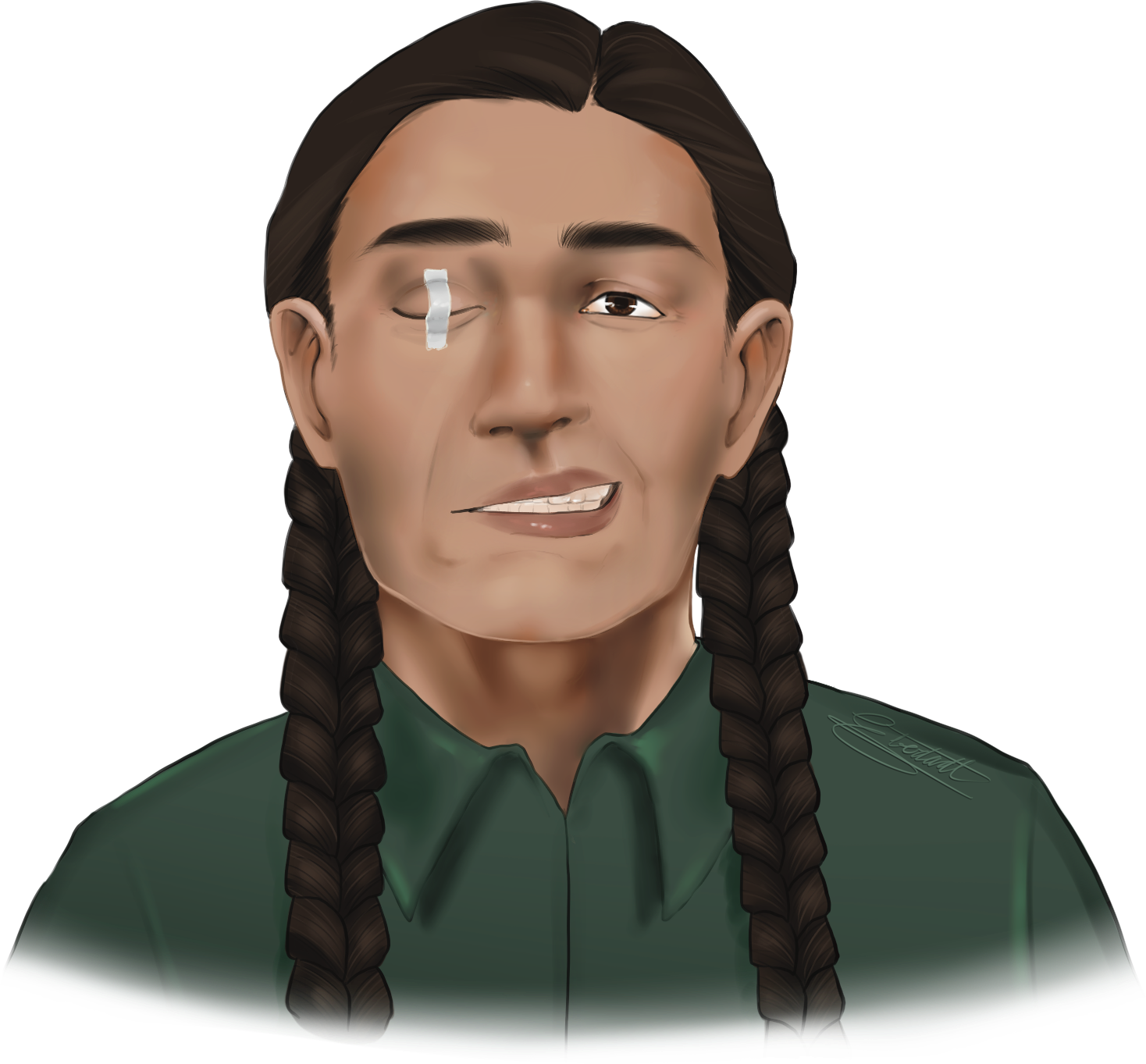
Providing a resource that illustrates real examples of facial paralysis in order to destigmatize it and help people see themselves represented.


Target Audience
Primary
Adult patients recently diagnosed with facial paralysis.
Secondary
Friends, family and physicians looking to learn more about facial paralysis.
Gaps in Current Media
Medical Literature
Text-heavy
Medical terminology
Lacking visuals
Patient Focused
Video format
No tailored learning
Bell’s Palsy focused
Text-heavy | No interactivity
Unappealing visuals
Part of the FacialPalsyPath educational project was to create 3 anatomical posters to help visualize the anatomy of the facial nerve, an overview of facial paralysis and different treatment options. They will be printed and mounted in the Facial Paralysis and Facial Nerve Dysfunction clinic at Toronto Western Hospital (UHN). They are also available to download for free on the website and can be printed for personal use.
Educational Posters
UNDERSTANDING THE FACIAL NERVE
Learn more about the facial nerve, one of the 12 paired cranial nerves that starts in your brain and helps you move your face, salivate, tear up, and taste on the front 2/3 of your tongue.
UNDERSTANDING FACIAL PARALYSIS
Learn more about facial paralysis, specifically the different stages, causes with a special note on Bell’s Palsy - one of the most common etiologies.
UNDERSTANDING TREATMENT OPTIONS
Learn more about non-surgical and surgical treatment options for facial paralysis, exploring the distinction between static and dynamic surgical options.
All posters are for educational purposes and personal use only. They cannot be sold or distributed without permission.
FacialPalsyPath Walkthrough
Why create FacialPalsyPath?
FacialPalsyPath is an online hub for learning about facial paralysis geared towards people with a recent diagnosis or their loved ones.
Facial paralysis is a daunting diagnosis, and important to showcase. It is important for us to share how intimidating it can feel to have your face, a pivotal part of your identity, change so drastically, and also share that those feelings are completely normal.
In order to provide a person-first resource, we developed FacialPalsyPath to act as a source of clear, accessible, and accurate health information by providing clear learning points on anatomy, facial paralysis, clinical visits, and treatment options.

Patient Guided Design
FacialPalsyPath’s creation was guided by clinical shadowing and expert input. The questions that were most frequently asked and information that was most often misunderstood was compiled through extensive hands-on learning and research. The goal was to create a resource that focused in on learning pain points for patients.
Accessible design was the basis for which this resource was create on. The final project reflects a traditional website layout that has minimal learning required for navigation and use to decrease cognitive load. The interactivity was kept limited and with the specific goal of highlighting facial movement with paralysis.
Other key features include:
6th grade reading level
Colour blind friendly
Inclusive Illustrations
Provide source of real-life inspired illustrations
Inclusive examples in all cases
Acknowledgements
This project was done alongside research into how to best create accessible learning material especially as it focuses on medical information. We would like to say thank you to the patients and healthcare providers who participated in the research and provided feedback on the project. We would also like to thank Dr. Kevin Zuo for his guidance and support throughout the project.
Tools used included


Interviews
Research
Photoshop
Illustrator


Procreate
Figma


VS Code
GitHub


Meet the Team
-
![]()
Ella Eberhardt
DEC, Hons. BSc, MScBMC
BIOMEDICAL COMMUNICATOR
Led research, development, design, illustration, and production of FacialPalsyPath.
-
![]()
Dr. Shelley Wall
AOCAD, MScBMC, PhD, CMI, FAMI
FACULTY SUPERVISOR
Provided guidance on the development, design and supported the person-first approach of the project.
-
![]()
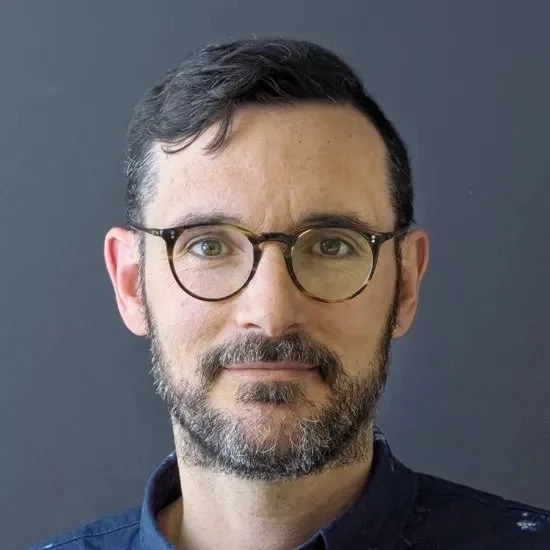
Dr. Kevin Zuo
MD, MASc, FRCSC
CONTENT EXPERT
Provided guidance on scientific accuracy for the written content as well as the visuals. Coordinated the research associated with this project.
-
![]()
Michael Corrin
BFA, BA, Hons. BSc, MScBMC, CMI
SECOND VOTING MEMBER
Provided guidance on the development, and deployment of the project.